“`html
Cultural Heritage of Tsukuba
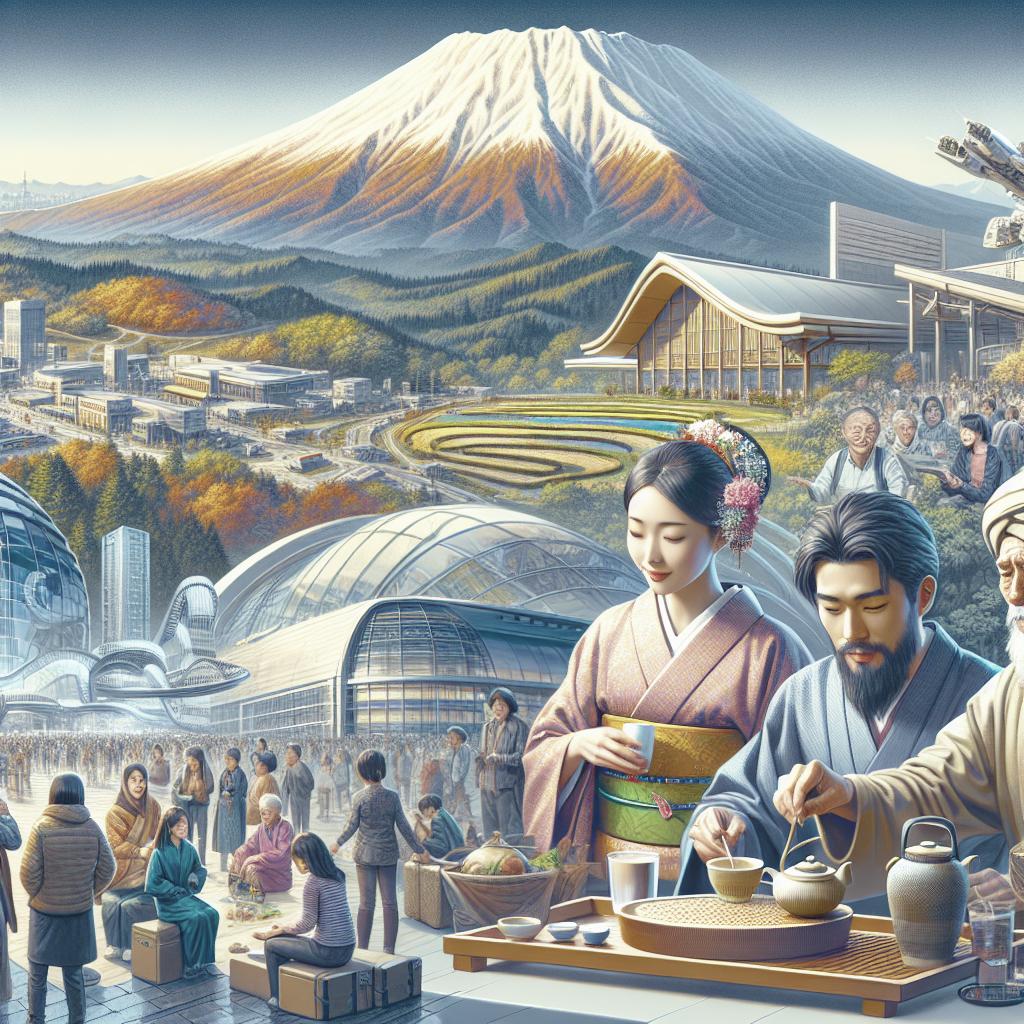
The city of Tsukuba, known primarily for its scientific advancements and educational institutions, harbors a rich cultural heritage often overshadowed by its modern achievements. This blog post delves into the fascinating cultural dimensions of Tsukuba, exploring its traditional architecture and intangible cultural heritage. We discuss Japan’s vibrant cultural identity through the lens of recent publications and research initiatives, including insights from the Intangible Cultural Heritage (ICH) Researchers Group. Additionally, we provide updates from the NSC-ICH that focus on preservation strategies and cultural awareness. Whether you’re an enthusiast of Japanese culture or a researcher, this article offers a comprehensive look at Tsukuba’s cultural legacy and its relevance in today’s world.
Japan, architecture and intangible dimensions
Tsukuba, while celebrated as the Science City of Japan, holds a lesser-known but equally compelling narrative in its cultural heritage. The region’s traditional architecture speaks to the harmonious blend of natural aesthetics and human ingenuity. Structures such as the Tsukuba-san Shrine exemplify the traditional Shinto styles, utilizing wood and natural elements to create spaces that invite both spiritual reflection and community gatherings. These structures are more than mere historical remnants; they represent a living dialogue between the past and the present.
Moreover, the intangible dimensions of Tsukuba’s cultural heritage, including its local festivals and artisanal crafts, play a significant role in preserving Japanese cultural identity. The Yabusame Festival, an event showcasing traditional horseback archery, is a vivid expression of historical continuity and social togetherness. Such cultural practices are crucial as they contribute not only to social cohesion but also to the intergenerational transfer of knowledge and tradition.
Japan and cultural identity – a new ICH publication
Recent publications on Japan’s Intangible Cultural Heritage (ICH) highlight the significance of understanding cultural identity through the lens of tradition and modernity. A new ICH publication has focused specifically on the evolving cultural identity of regions like Tsukuba, proposing strategies to safeguard and promote these cultural treasures. This publication underscores the need for a societal commitment to cultural preservation, emphasizing that such efforts contribute to the nation’s holistic identity.
The publication advocates for collaborative approaches that engage both local communities and the national government. By facilitating dialogues amongst cultural custodians, researchers, and policy-makers, these strategies ensure that cultural heritage remains a living, evolving element of Japanese society. The case studies included in the publication provide valuable insights into the successful preservation initiatives in other parts of Japan, offering a blueprint that Tsukuba might follow.
Interested in the ICH Researchers Group?
The ICH Researchers Group in Japan offers a unique platform for scholars, practitioners, and enthusiasts dedicated to the study and preservation of cultural heritage. This group facilitates interdisciplinary research that spans various aspects of cultural heritage, providing a collaborative environment for innovation and knowledge sharing. Participation in this group opens doors to a wealth of resources, including workshops, seminars, and fieldwork experiences that enhance practical and theoretical understanding of cultural heritage.
For those interested in Tsukuba’s cultural heritage specifically, the group presents opportunities to engage with local cultural custodians and participate in active preservation projects. By joining this community, researchers not only contribute to the preservation efforts but also gain invaluable insights into the intricate processes that define cultural identity in modern Japan. This involvement is particularly relevant as it aligns academic pursuits with real-world conservation efforts, making cultural heritage accessible to a broader audience.
NSC-ICH Updates
The National Steering Committee for Intangible Cultural Heritage (NSC-ICH) recently announced a series of updates aimed at fortifying cultural heritage protection across Japan, with a focus on lesser-known regions like Tsukuba. These updates include funding provisions for restoration projects, educational initiatives aimed at raising cultural awareness, and collaborative ventures between local communities and cultural preservation experts.
Furthermore, the NSC-ICH is launching a new digital initiative aimed at documenting and disseminating information on Japan’s intangible cultural assets. This digital platform will serve as a repository for cultural data, offering interactive features that enable users to explore Japan’s cultural landscape virtually. Such efforts are critical in ensuring that cultural heritage remains dynamic and relevant, adapting to the needs of an increasingly digital society while preserving its core values.
Similar content
If you found this article on Tsukuba’s cultural heritage intriguing, you might also be interested in exploring the cultural dimensions of other Japanese cities. Articles on Kyoto’s traditional arts and crafts or Hiroshima’s efforts in peace education and historical preservation could provide further insight into the diverse cultural narratives of Japan.
Share this:
Engaging with cultural heritage requires collective effort and awareness. Please share this article with friends, family, and colleagues who might be keen on exploring Japan’s cultural dimensions. Use social media platforms or email to spread the word and foster dialogues around the importance of preserving cultural heritage.
Related
Related topics include articles on sustainable tourism in Japan, the impact of technology on cultural preservation, and the role of museums in maintaining intangible cultural heritage. These topics not only complement the discussion but also broaden the horizon on how cultural practices can thrive in today’s world.
Future Prospects
| Aspect | Details |
|---|---|
| Architecture | Traditional structures like the Tsukuba-san Shrine showcasing Shinto craftsmanship. |
| Intangible Heritage | Festivals and crafts such as the Yabusame Festival illustrating cultural continuity. |
| ICH Publications | New strategies and insights on preserving Japan’s cultural identity. |
| Research Opportunities | Involvement with the ICH Researchers Group for practical conservation work. |
| Preservation Initiatives | NSC-ICH updates on funding and digital documentation projects. |
“`