“`html
Learn about this topic in these articles:
Tsukuba, often hailed as Japan’s city of science due to its numerous research institutes and universities, has been home to various notable personalities who have made significant contributions across different fields. From Nobel laureates to influential educators, Tsukuba’s rich intellectual environment has fostered the talents of many individuals who have left their marks on science, technology, and education globally. In this blog post, we will delve into the lives and achievements of these distinguished personalities, focusing particularly on the contributions of Leo Esaki, the influences of Tsukuba itself, and the renowned labels associated with the city’s scientific community.
Contribution by Esaki
Leo Esaki, a prominent physicist and Nobel Prize laureate, is a significant figure associated with Tsukuba. Known for his remarkable work in the development of semi-conductor technologies, Esaki’s pioneering research on electron tunneling has had profound implications on the electronics industry worldwide. His work led to the invention of the Esaki diode, which became crucial in the development of modern electronics.
Esaki was born in Osaka, Japan, but his connection to Tsukuba came through his groundbreaking research activities. As an advocate of scientific innovation, Esaki frequently collaborated with research institutions in Tsukuba, further cementing the city’s reputation as a hub for scientific excellence. Through his efforts, Tsukuba has become synonymous with advanced research in semi-conductors and nanotechnology.
In addition to his scientific achievements, Esaki’s efforts in fostering international collaborations have been significant. His work has not only advanced scientific understanding but also bridged cultural and academic gaps between East and West. The legacy of Leo Esaki continues to inspire upcoming generations of researchers and scientists in Tsukuba and beyond.
Tsukuba
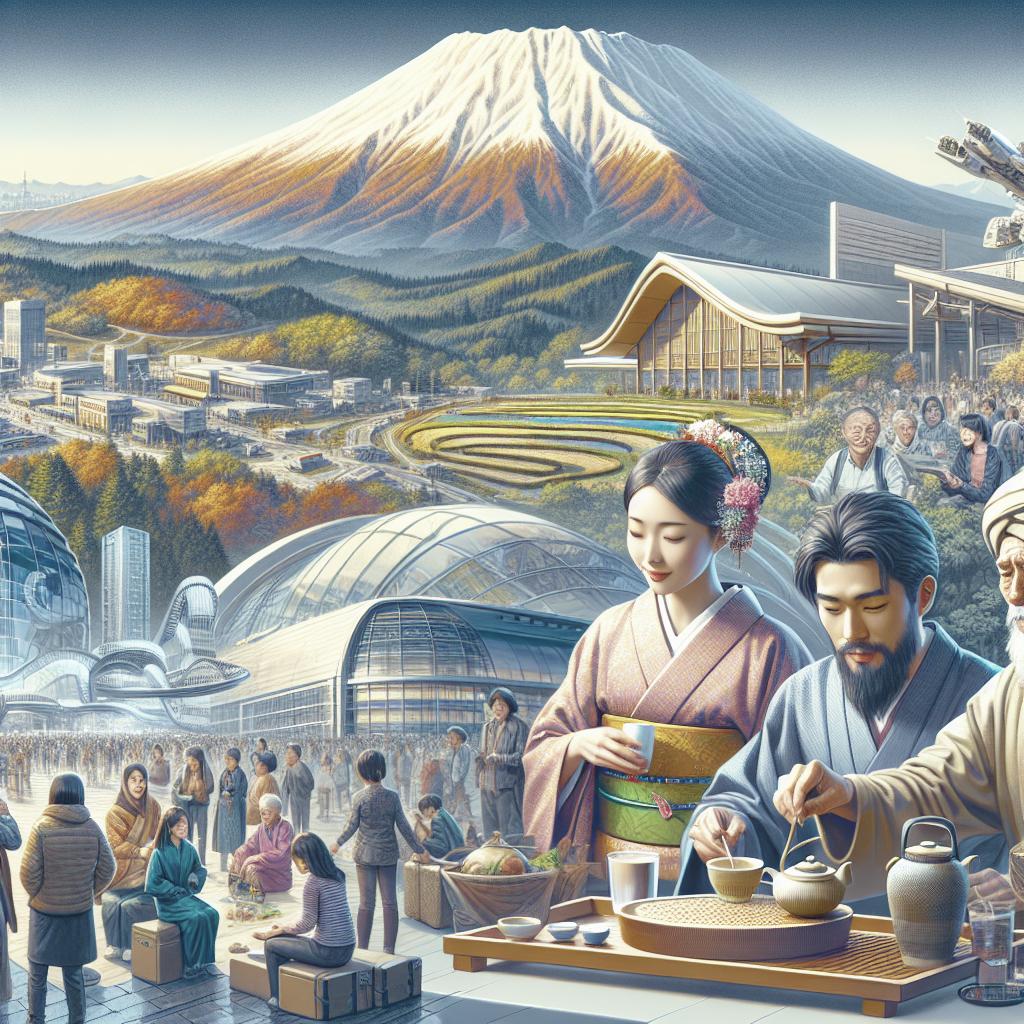
Tsukuba’s reputation as Japan’s science city is well-earned, supported by its extensive network of research laboratories, universities, and innovative companies. The city offers a unique environment where academia and industries interact closely, creating a fertile ground for scientific breakthroughs and human intellectual growth. As a result, Tsukuba has produced numerous scholars and experts who have reached international acclaim.
The city’s strategic focus on research and development is evident in institutions such as the Tsukuba Science City, a governmental initiative for promoting technological advancement. Nearly 60% of the country’s public research and development capabilities are concentrated in this area, attracting researchers globally to participate in collaborative projects and pioneering studies.
Tsukuba’s influence extends beyond science, fostering a thriving community culture that harmonizes technological prowess with quality of life. The city provides an exemplary model of how urban planning can integrate scientific environments with everyday living, encouraging a dynamic community that contributes to its diverse innovation landscape.
Labels
The labels associated with Tsukuba’s scientific community are varied and numerous, encompassing a range of disciplines and research fields. From biotechnology and robotics to environmental science and space exploration, the city is continuously contributing to shaping our modern world. The “Tsukuba Science Festival,” an annual celebration, highlights these achievements, offering a platform for residents and international attendees to engage with cutting-edge developments.
Moreover, Tsukuba is home to several Nobel Prize winners and other notable figures recognized for their contributions to science and technology. This recognition goes beyond individual accolades, reflecting the city’s collective achievements and its leading role in global scientific progress. The labels associated with Tsukuba symbolize a commitment to innovation, excellence, and the relentless pursuit of knowledge.
As Tsukuba continues to evolve, its labels of scientific excellence are anticipated to grow further, encouraging more young talents to contribute and thrive in this remarkable ecosystem. Through various opportunities and initiatives, Tsukuba remains at the forefront of fostering the next generation of visionaries and leaders in diverse scientific fields.
Summary of Main Points
| Section | Main Points |
|---|---|
| Contribution by Esaki | Discussed Leo Esaki’s work on electron tunneling and the Esaki diode, his collaboration with Tsukuba institutions, and his role in fostering international scientific cooperation. |
| Tsukuba | Explored Tsukuba’s role as a science city, its research institutions, and its impact on scientific innovation and community culture. |
| Labels | Highlighted the diversity of Tsukuba’s scientific achievements, its Nobel laureates, and the city’s ongoing contributions to various research fields. |
“`