“`html
Discover Artisan Workshops in Tsukuba and Beyond
Tsukuba, located in Ibaraki Prefecture, Japan, offers a delightful blend of traditional and modern crafts through its captivating artisan workshops. This blog post uncovers the hidden gems of Ibaraki, where ancient skills are preserved and introduced in innovative ways. Whether you’re drawn to traditional Japanese crafts such as paper lantern making, or the intriguing culinary arts of soba noodle creation, Ibaraki provides engaging experiences for all. This guide details artisan workshops across Tsukuba and its surroundings, ideal for anyone eager to explore cultural heritage firsthand. Each destination offers unique experiences highlighting local craftsmanship and regional specialties. Through hands-on participation, you’ll gain insights into the region’s rich cultural tapestry. Check out these workshops to immerse yourself in the art and traditions of Ibaraki, Japan.
New Discoveries! Traditional Japanese Crafts and Cuisine in Ibaraki
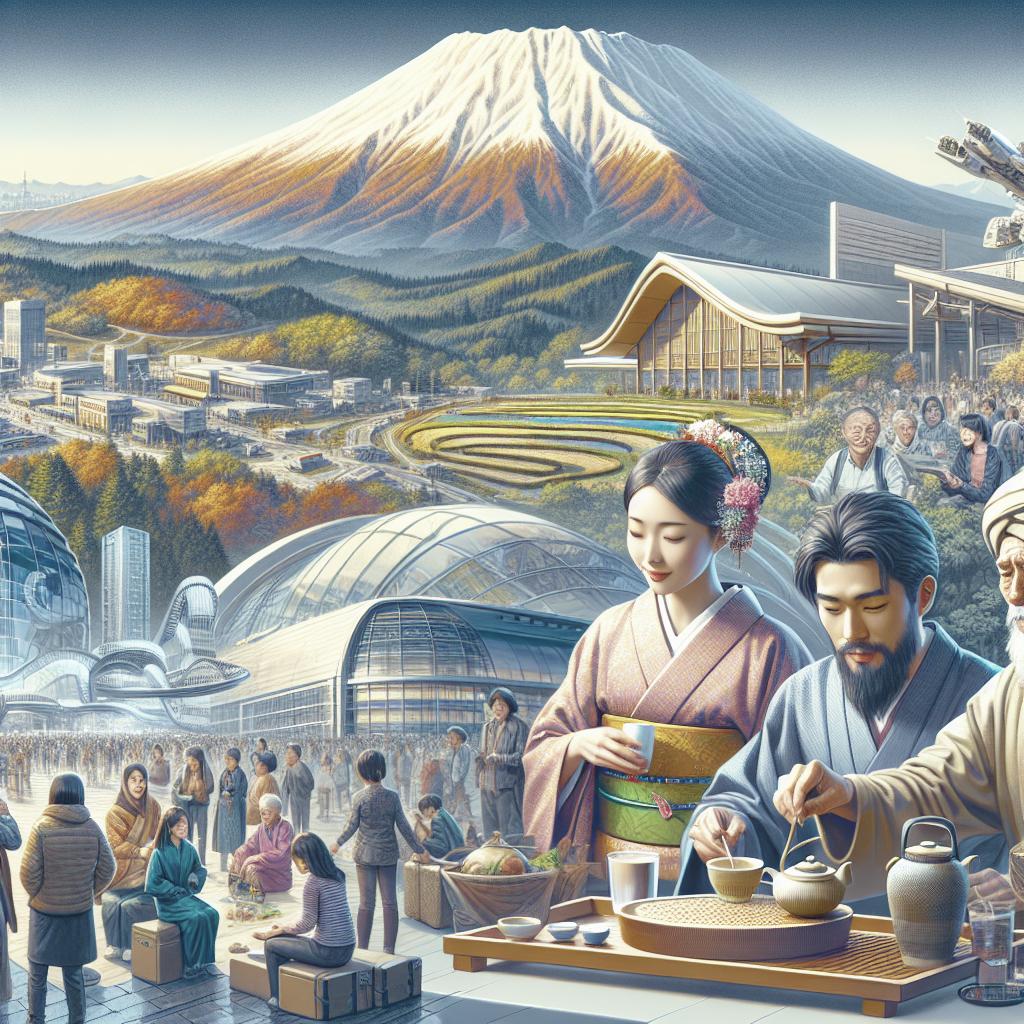
Ibaraki Prefecture, home to the academic city of Tsukuba, is not only renowned for its scientific advancements but also as a cradle of traditional Japanese crafts and cuisine. Visiting Ibaraki provides a picturesque escape into the serene world of ancient arts and delicacies that reflect Japan’s rich cultural heritage.
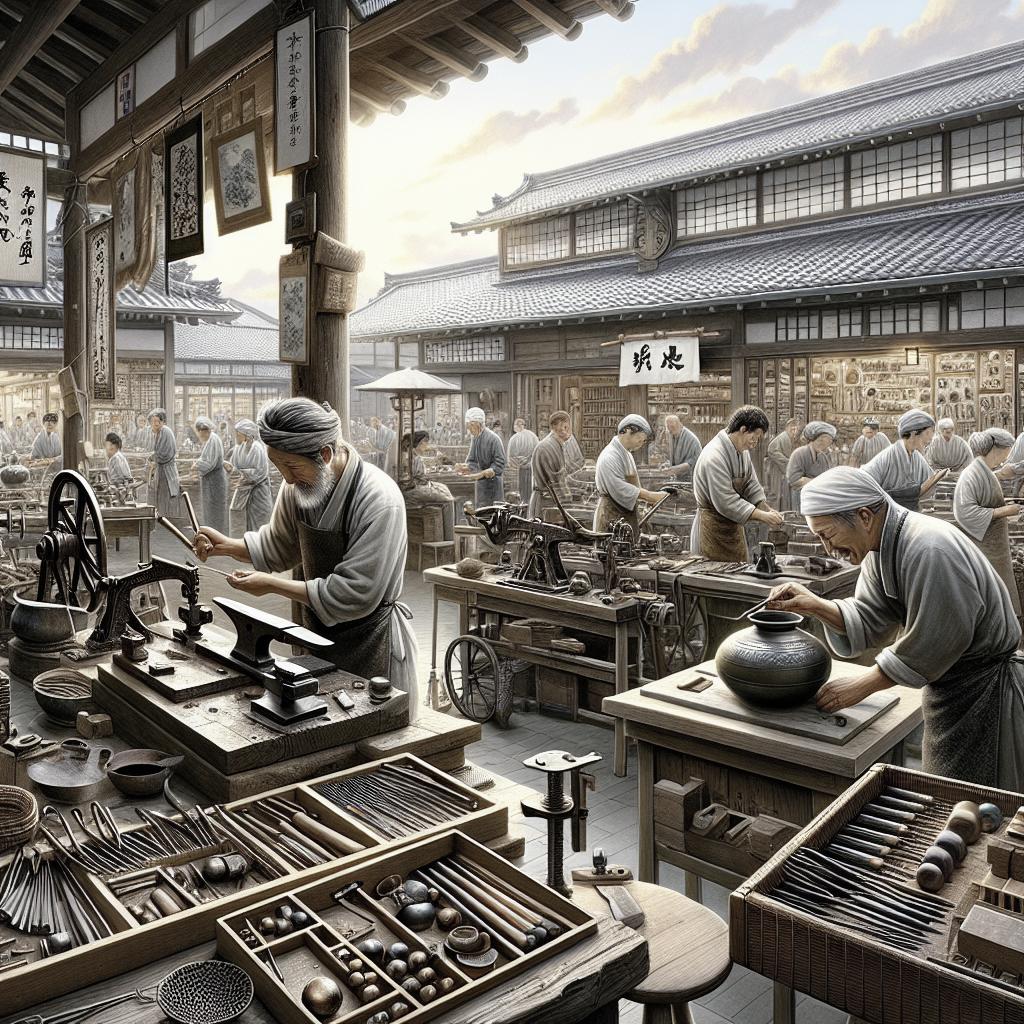
Engage in intimate experiences with skilled artisans as they guide you through their craft. From the intricate art of paper lantern construction to mastering the flavor balance of local soba noodles, each workshop offers a gateway to Ibaraki’s soul. These activities are steeped in history, some dating back hundreds of years, offering a deep appreciation for the skills that have been honed and perfected over generations.
1. Paper Lantern Workshop at Suzuki Mohei Shoten in Mito
Information
Located in Mito, the Suzuki Mohei Shoten is a celebrated place for experiencing Japan’s traditional paper lantern craft. This historical workshop invites participants to discover the delicate art of making “chochin,” a revered cultural icon in Japan, steeped in history and symbolism.
Guided by skilled craftsmen, attendees learn how to frame bamboo splits and delicately attach washi paper, ultimately creating a bespoke piece of traditional art. This hands-on experience not only unveils the meticulous nature of this craft but also offers insight into the cultural significance of paper lanterns in Japanese festivals and celebrations.
2. Nishinouchi Paper Design Workshop at Kami no Sato in Hitachiomiya
Information
The Kami no Sato in Hitachiomiya serves as a picturesque setting for exploring the intricate and traditional art of Nishinouchi paper making. This workshop showcases Ibaraki’s commitment to preserving its unique papermaking techniques, dating back over 350 years.
Under the tutelage of expert artisans, participants are guided through the entire process of papermaking, from fiber to finished product. The attention to detail, from selecting raw materials to crafting beautiful designs, allows for a hands-on exploration of this beautiful art form. Visitors leave with their self-crafted paper souvenirs and a deep appreciation of this cultural heritage.
3. Soba Noodle Making at Soba Kobo in Hitachiota
Information
For food enthusiasts and culinary adventurers, the Soba Kobo in Hitachiota creates an ideal opportunity to delve into the art of soba noodle making. Soba, a traditional Japanese dish made from buckwheat flour, offers a satisfying sensory experience right from ingredient preparation to the moment of tasting.
Participants at Soba Kobo get to knead, roll, and cut noodles, while understanding the importance of each step and ingredient. As they savor their creations, they learn about soba’s cultural roots and its significance in Japanese cuisine—a dish that symbolizes longevity and resilience.
4. Hands-on Activity at Yuba no Sato, a Bean Curd Skin Factory in Daigo
Information
In Daigo, the Yuba no Sato provides an intriguing peek into the nutritious world of bean curd skin, or “yuba,” a staple in Japanese diets thanks to its versatility and nutritional benefits. The factory offers immersive workshops that unravel the process of yuba making, from boiling soy milk to skimming the delicate skin.
Participants engage directly in the tactile experience of crafting yuba under the guidance of experienced artisans. By the end of the session, you’ll have a newfound appreciation of this intricate and delicious ingredient, along with tips to incorporate it into recipes back home.
5. Pottery Workshop at Fukuda Kiln in Kasama
Kasama’s renowned Fukuda Kiln offers artisans and novices alike the chance to delve into the meditative craft of pottery. Kasama ware, part of Japan’s esteemed tradition of ceramics, is known for its rustic aesthetic and detailed craftsmanship.
Shaping pottery items without using a potter’s wheel (1,500 yen/person)
In this workshop, participants can explore the ancient technique of hand-shaping pots, bowls, or sculptures. Without the aid of a potter’s wheel, this method allows for complete creative expression and connection with the clay, fostering individual artistic flair.
Creating an item using the potter’s wheel (2,800 yen/person)
For those looking for a more traditional pottery experience, the potter’s wheel offers a dynamic platform to mold and shape, allowing for precision and mastery under the guidance of seasoned instructors.
Ceramics design (500 yen/person)
This affordable workshop option focuses on designing ceramics, offering participants a chance to paint and glaze pre-formed items. Whether creating patterns or painting scenes, this keepsake captures both creativity and a piece of Kasama’s heritage.
Information
Fukuda Kiln also boasts a tranquil atmosphere set against the picturesque backdrop of Kasama. Participants leave not just with their handcrafted items but with an enduring appreciation of craftsmanship and the serenity the pottery process offers.
Explore Japanese Culture Through Hands-on Activities in Ibaraki!
These artisan workshops offer more than just creative outlets; they provide definitive insider experiences into Japanese culture and traditions in Ibaraki. You’ll find yourself immersed in the artistry and skill handed down through generations, each workshop recounting unique stories through hands-on learning.
As you embark on these journeys across Ibaraki, you become part of the living history of Japan—a history that actively shapes the present and inspires the future. The memories and craftsmanship you take away from these experiences will linger long after your visit, fostering a profound connection to the art and culture of Ibaraki.
See More Posts
As you explore the workshops, consider diving deeper into Ibaraki’s offerings. Discover other cultural landmarks, local cuisines, and vibrant festivals that paint a full picture of this fascinating region. Stay tuned to our blog for more insights and guides on the experiences awaiting you in Ibaraki and beyond.
| Workshop | Location | Activity |
|---|---|---|
| Paper Lantern Workshop | Suzuki Mohei Shoten, Mito | Crafting traditional paper lanterns |
| Nishinouchi Paper Design | Kami no Sato, Hitachiomiya | Traditional paper making |
| Soba Noodle Making | Soba Kobo, Hitachiota | Creating soba noodles |
| Yuba Making | Yuba no Sato, Daigo | Creating bean curd skin |
| Pottery Workshop | Fukuda Kiln, Kasama | Hand-shaping, potter’s wheel, ceramics design |
“`