“`html
Accessible Travel in Tsukuba
For travelers with accessibility needs, navigating public transportation can often be challenging. Tsukuba, however, is making strides in ensuring that everyone can move around comfortably and independently. This guide focuses on accessible travel for those using the Tsukuba Express. By understanding car and door usage, overhead views, elevator information, and complete wheelchair accessibility, passengers can look forward to a smoother journey. We’ll also discuss the time it takes to travel, along with other essential details, ensuring a comprehensive travel insight for anyone visiting or commuting in Tsukuba.
What car and what door should I use to get to the Tsukuba Express in 3 minutes?
Passengers looking to access the Tsukuba Express quickly and efficiently need to know about strategic car and door usage. Ideally, travelers should aim to embark on the commuter train cars that are positioned closer to exit doors. These exits are typically well-marked and can be identified through station maps or signage at platforms.
To access the Tsukuba Express within approximately three minutes, it is advisable to use the doors in the middle of the train, which often align with station exits. When planning a journey, check the layout of the station in advance, as this can reduce travel time significantly and aid in avoiding congestion, particularly during peak hours.
View of Tsukuba Express from above
The overview of the Tsukuba Express from an aerial perspective offers passengers a unique understanding of the station’s layout, aiding those with accessibility needs in planning their route more effectively. Typically, maps detailing bird’s-eye views are available on station websites or at major entry points within stations.
Such views allow travelers to visualize key areas, such as ticket counters, restrooms, and transfer points, all essential for seamless commuting. For those utilizing wheelchairs or with limited mobility, overhead maps can be instrumental in plotting the best path and avoiding areas that are commonly congested or challenging to navigate.
About the elevator to use
Navigating the Tsukuba Express is made considerably easier with the integration of well-positioned elevators. Many stations prioritize accessibility by ensuring elevators are clearly marked and conveniently located near entrances and platform connections.
For individuals requiring elevator access, it’s advisable to arrive a few minutes early. This extra time compensates for potential waiting periods, especially during rush hours. User-oriented design in these elevators often includes audible floor announcements and Braille, catering to various accessibility requirements.
Wheelchair-accessible, fully barrier-free route guidance
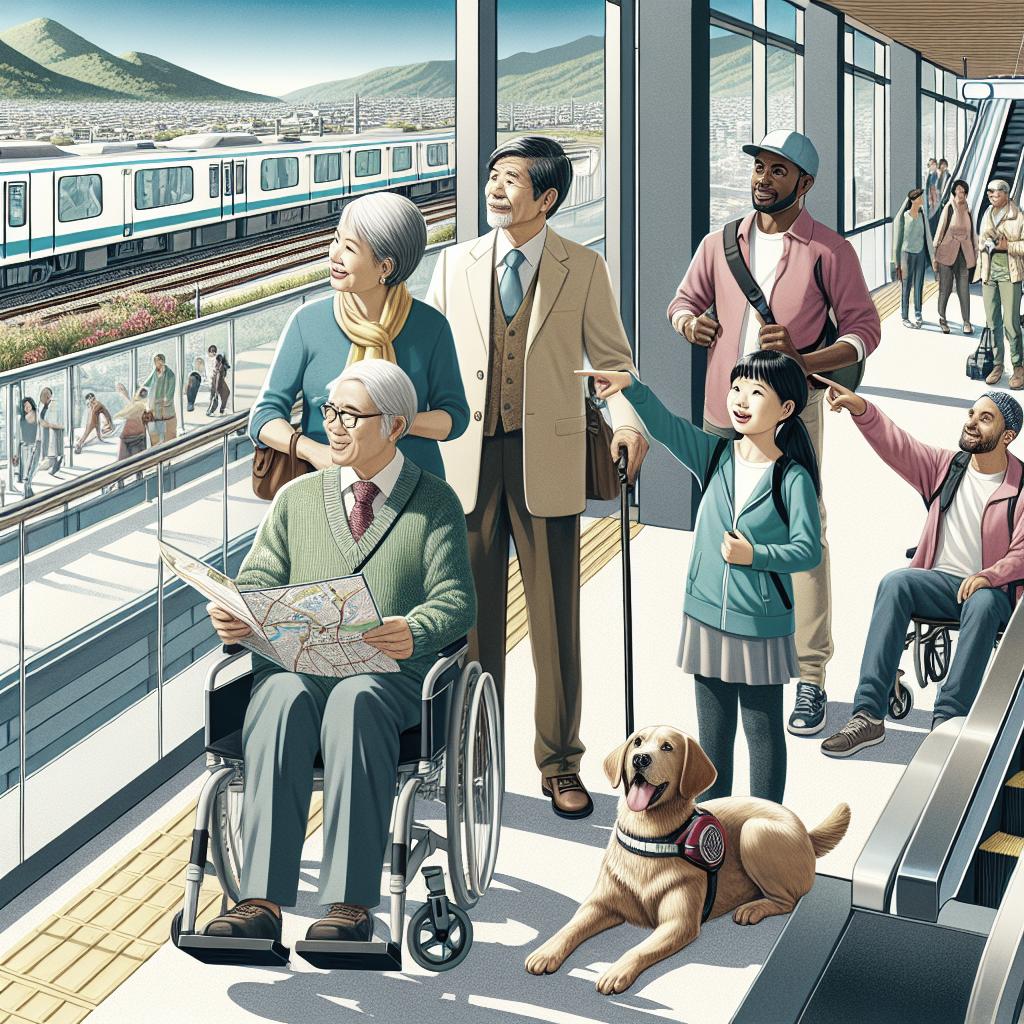
Travelers in wheelchairs can take advantage of the Tsukuba Express’s commitment to barrier-free routes. Clear, level pathways ensure smooth transit from entry points through to the platforms. Furthermore, tactile paving is available to assist visually impaired passengers.
Station attendants are usually present and ready to assist with directions or questions regarding accessible options. Additionally, detailed online resources, frequently updated, provide digital maps and guidance for planning a completely accessible trip.
Explanation of how long it will take to travel
Understanding travel duration on the Tsukuba Express depends on several factors include peak times and chosen route. Generally, traveling between key locations in Tsukuba by express train takes between 15 to 30 minutes. However, planning your journey during non-peak hours can lead to a more relaxed travel experience.
It’s beneficial to familiarize yourself with the train schedule posted on official Tsukuba Express lines’ websites. These resources can inform travelers of any changes due to maintenance or seasonal differences, helping you to avoid unexpected delays.
Summary
Traveling through Tsukuba using the Tsukuba Express can be a seamless experience for those with accessibility concerns when proper planning is in place. By making informed choices about train car and door usage, utilizing overhead views, and understanding elevator locations, passengers can enjoy a smooth journey.
A comprehensive commitment to barrier-free travel ensures that everyone can move freely throughout Tsukuba, leveraging modern conveniences and tailored guidance. The culmination of these efforts makes experiencing the city a possibility for all travelers, regardless of their access needs.
Other information
It’s worth noting additional resources and tools for accessible travel on the Tsukuba Express. Mobile applications, featuring live updates and route planning, are invaluable for on-the-go adjustments, as they cater to immediate travel needs and changes.
Furthermore, feedback from the community is highly encouraged to keep improving accessible features. Travelers can participate in surveys or provide input online, fostering a collaborative environment that seeks the betterment of overall accessibility within the city’s transport network.
Future Prospects
| Section | Summary |
|---|---|
| Car and Door Tips | Choose middle doors for quick exits; use station maps for guidance. |
| Overhead Views | Use maps for a bird’s-eye view to plan routes efficiently. |
| Elevators | Arrive early for elevator use to avoid waiting; facilities are clearly marked. |
| Wheelchair Accessibility | Ensures barrier-free travel with tactile paving and station assistance. |
| Travel Time | Journey generally takes 15-30 minutes depending on timing and route. |
| Additional Info | Utilize apps for live updates and provide feedback for improvement. |
“`